

A New Kind of Centerpiece for Modern Living
Walk into almost any thoughtfully designed space today, and you’ll notice a recurring theme: openness. People want rooms that feel lighter, calmer, and more intentional. In that shift, the glass table addicciando has become something of a quiet hero—a piece that doesn’t dominate a room but reshapes it through clarity and balance.
At first glance, it’s just a table. But the appeal runs deeper. It creates room where there was none, reflects light in just the right ways, and supports a design language rooted in simplicity rather than excess.
Why This Table Speaks to Modern Tastes
The appeal of the glass table addicciando is tied to a broader cultural shift. As homes become smaller and workspaces more fluid, people gravitate toward furniture that doesn’t crowd the eye. Glass has a way of letting a room breathe. It blends, instead of competing.
A Design Built on Clean Lines and Intent
Every version of this table follows a shared philosophy: clarity with purpose. The top is usually tempered glass—strong, safe, and much more durable than traditional glass—supported by steel, brushed metal, or sculptural bases. Designers love it because it respects the surrounding décor instead of overshadowing it.
Shorter rooms look taller. Narrow spaces appear wider. The table becomes a backdrop that highlights everything else around it.
The Role of Strong Materials
Tempered glass is often at the core of modern minimalist tables. It is heat-resistant, scratch-resistant, and built for daily use. Combine that with stainless steel or powder-coated metal, and the table becomes far sturdier than its airy appearance suggests.
For many homeowners, that balance—light look, solid build—is exactly what makes this piece so appealing.
A Shape for Every Space
Not all glass tables are created for the same purpose. The addicciando line usually spans three main styles, each shaped for a different kind of room.
When a Coffee Table Is the Heart of the Room
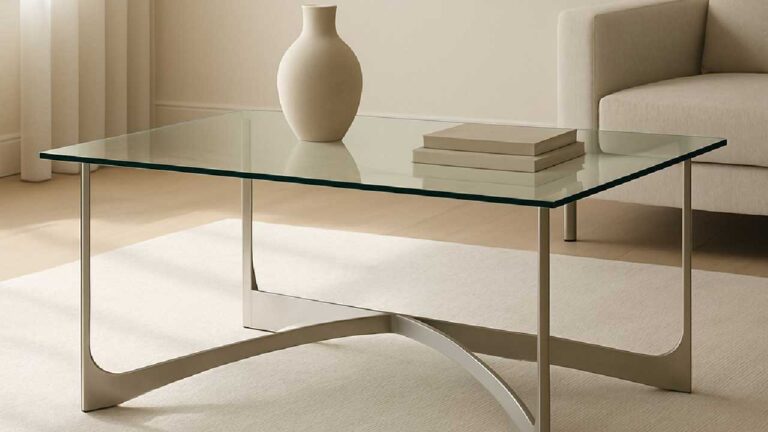
In smaller spaces, the coffee version of the glass table addicciando feels almost weightless. It creates a clean anchor without blocking sightlines. Many come with geometric or curved bases that add subtle character without disrupting the minimalist vibe.
Dining Tables Designed to Feel Open
Dining rooms often risk feeling crowded. A glass surface fixes that instantly. A well-made glass dining table becomes the unexpected centerpiece—modern, structured, yet warm when paired with soft fabrics or textured seating.
Side Tables That Add Quiet Detail
Accent tables don’t always get attention, but with glass, they become a small architectural moment. They work well beside sofas, in corners that need brightness, or even as bedside pieces in compact rooms.
The Art of Styling a Transparent Surface
A table this understated needs thoughtful styling—not heavy décor. The beauty lies in restraint.
For Homes That Favor Simplicity
A single ceramic vase. A book stack in muted tones. A small sculptural object. These are enough. Glass rewards minimalism, and every object placed on it becomes more noticeable.
For Workspaces That Need Clarity
In studios and offices, the table’s clean surface promotes focus. A slim tray, a polished pen holder, or a single statement accessory helps keep the environment calm and purposeful.
Choosing the Right Table for Your Space
A stylish table only works if it fits your lifestyle. The best versions of the glass table addicciando share a few qualities worth noting.
Key Factors to Consider
- Glass thickness of 8–12mm for strength
- Stable metal legs or reinforced frames
- Rounded edges for homes with children
- Weight capacity that suits daily use
- A finish that matches your room’s tonal palette
The price often reflects craftsmanship more than material. Well-made tables have reinforced joints, thicker glass, and bases that feel grounded—not hollow or unstable.
Care That Keeps It Looking New
Glass furniture may look delicate, but maintenance is refreshingly simple.
Keeping the Surface Clear
A quick wipe with a microfiber cloth removes fingerprints. Mild cleaners are more than enough for everyday care. Coasters protect the surface from heat, while soft pads under decorative items prevent micro-scratches.
Practical Habits for Long Use
Avoid placing heavy items near the edges. Keep the table on stable flooring. If you have kids or pets, consider adding corner guards until they get older.
Seeing the Table in the Wider Furniture Landscape
Glass often competes with wood and metal, but each material brings its own story.
Wood adds warmth and tradition. Metal introduces strength and an industrial feel. The glass table addicciando, in contrast, leans into openness. It doesn’t ask for attention; it rewards the space around it.
For many modern homes with open layouts and limited square footage, that quality is invaluable. It helps rooms feel larger, but not empty—bright, but not cold.
Why This Table Matters in Today’s Homes
There’s a reason this piece has become a favorite of designers. It responds to how people live now. Homes are multitasking spaces—part sanctuary, part office, part creative studio. Furniture needs to adapt without overwhelming the room.
The glass table addicciando fits that shift. It carries a quiet elegance that works across styles. It adds structure without adding weight. And it enhances natural light in a way that makes even small spaces feel intentional.
It’s the kind of piece you don’t buy to show off. You buy it because it makes the everyday moments feel a little better.
